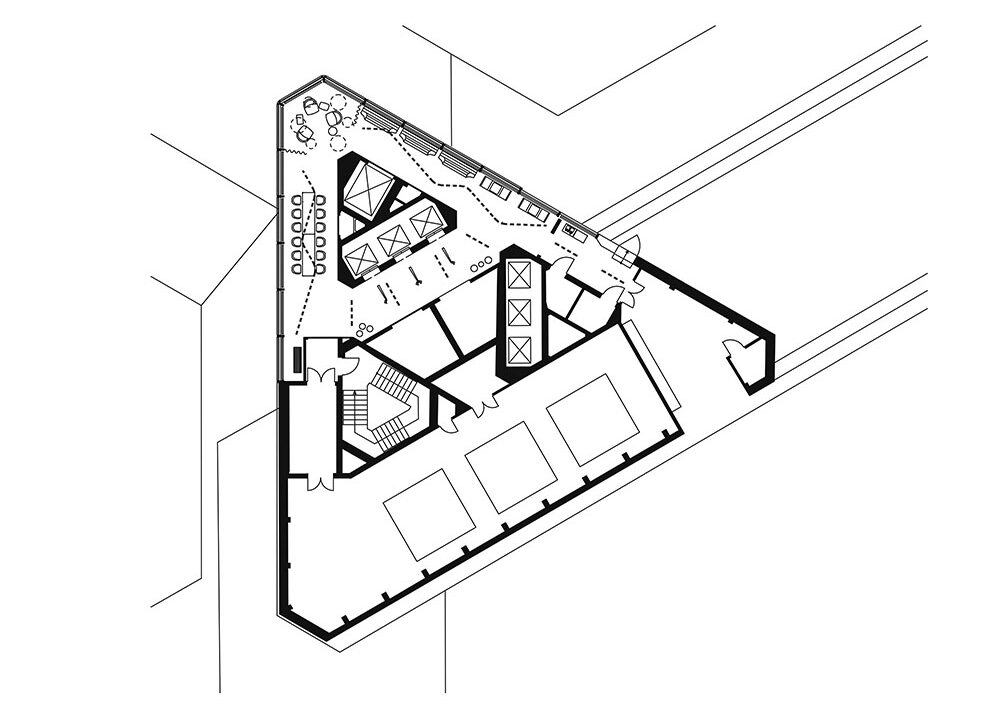
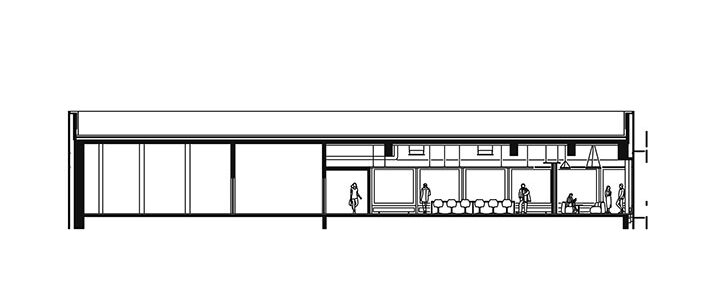
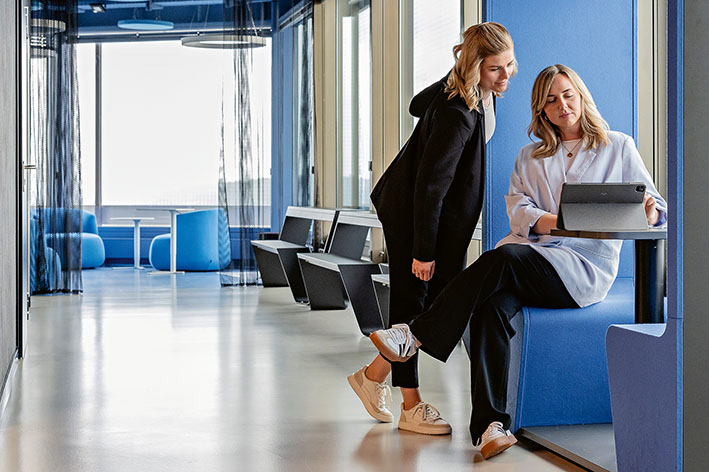
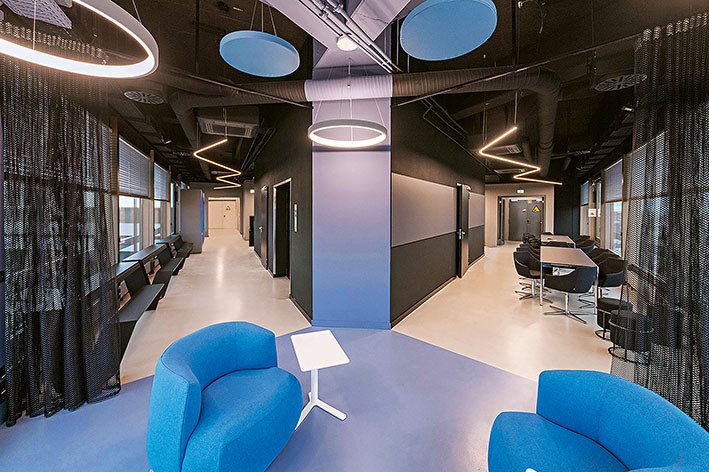
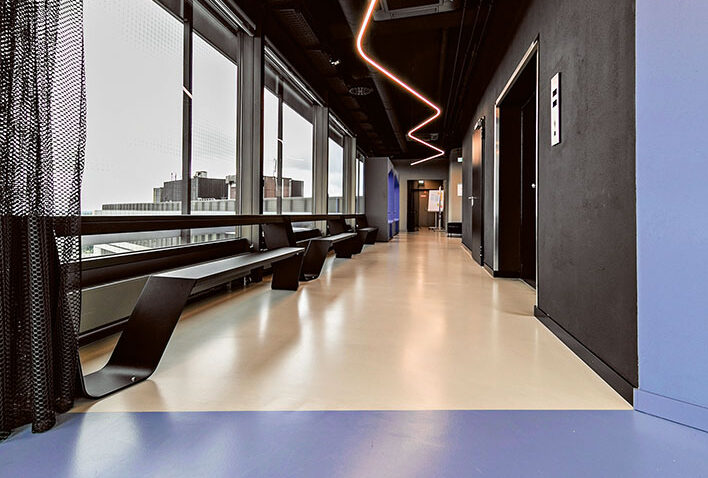
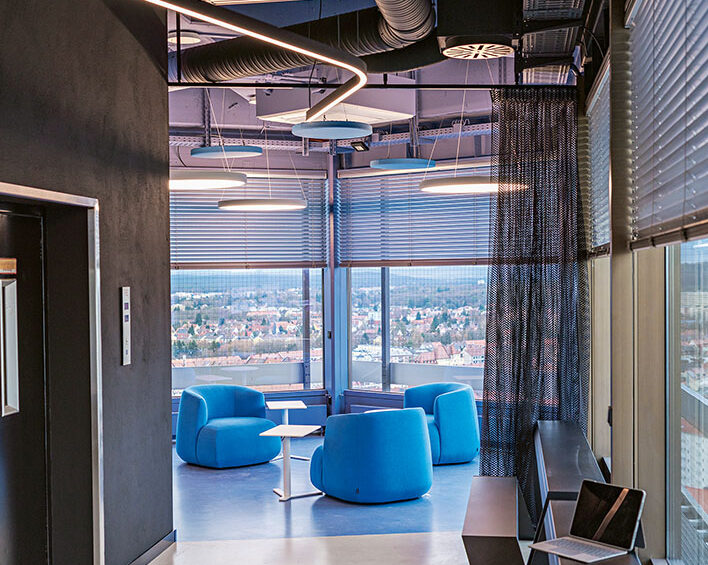
Vision is undoubtedly one of our most important tools for orientation and decision-making. At the same time, it is the central source of information for physical design across all fields. Anyone who designs and builds should always be aware that the result will be experienced — at least in nuances — differently and individually by each viewer and user. That said, there are also design solutions that tend to appeal to everyone. These include spatial situations that provide an overview — a vantage point over a broader environment — such as a gallery, a balcony, or a rooftop terrace. Anthropologically, this offers an advantage: people can stand securely and survey their surroundings; emotionally, it provides stimulation and visual pleasure. Panoramic views are particularly popular. This was precisely the reason for redefining the 17th floor of an administrative high-rise in Nuremberg — making full use of its spectacular views. The client sought a flexible, inspiring, and at the same time functional place for communication, in order to meaningfully and attractively expand their working environment — a ll while operations continued uninterrupted. Space was actually quite limited — just 141 square meters — as the triangular floor plan also accommodates the elevator cores and stairwell. However, alongside the circulation and distribution areas between these cores, two valuable spatial zones remained along the window façade. The idea of adopting an “industrial look with a workshop character” became the guiding concept. Wall claddings and suspended ceilings were removed, resulting — together with a mineral screed floor — in a more raw spatial expression. A continuous, specially developed lighting concept adds another layer of effect. The floor was also equipped with new furnishings that create areas for teamwork, retreat, and informal exchange, following a simple and functional design language. The result is “Werkstatt 17,” which — with its panoramic corner — has become a favorite place for employees.