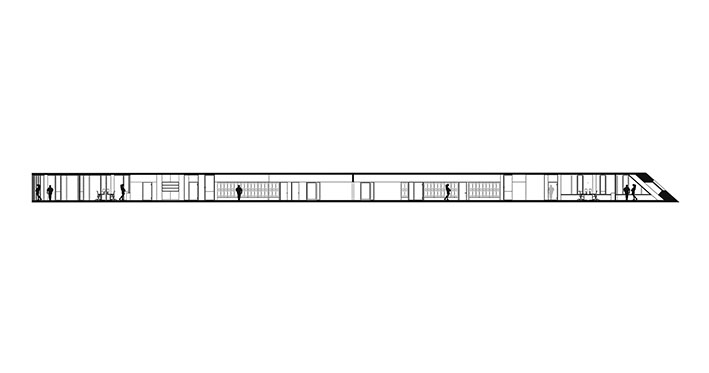
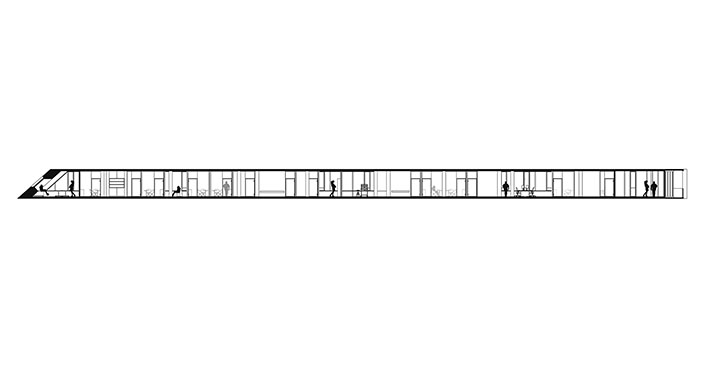
Lepel & Lepel provide a clear, thoughtfully designed answer to this question in their project for Wirtschaftsbetriebe Duisburg.
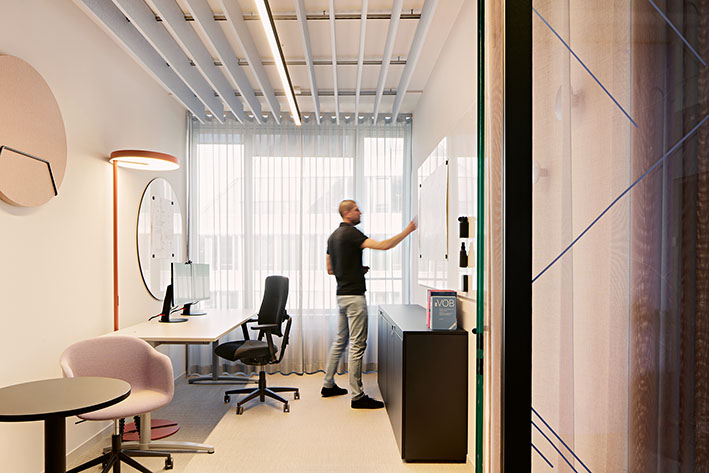
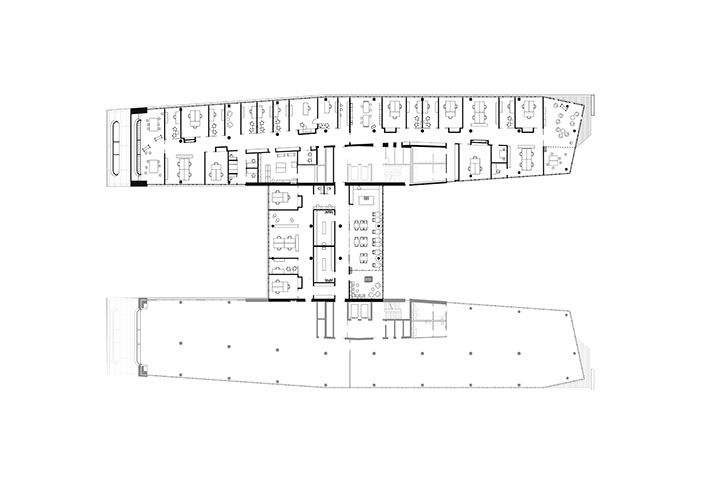
In the H2 Office complex at the inner harbor, they transformed a floor of the city’s drainage department from a traditional cubicle layout into a modern work environment. The renovation does not follow trends, but rather the question: How do we work today—and how do we want to collaborate tomorrow?
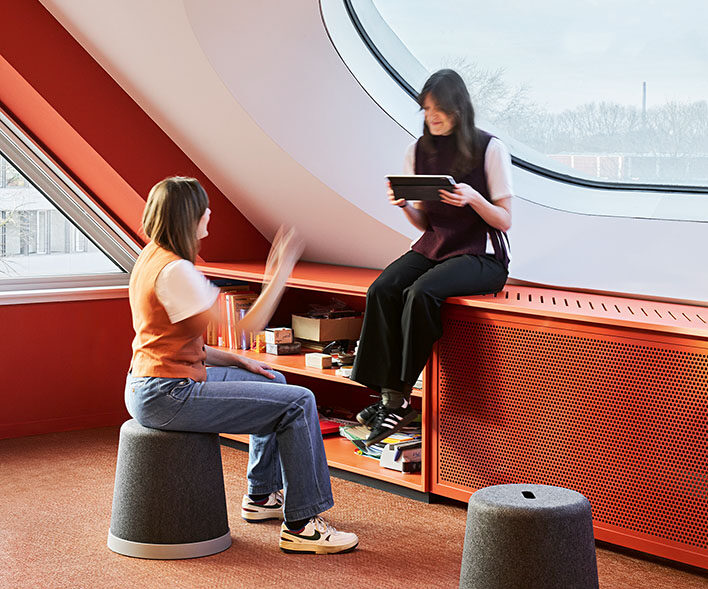
The solution: open areas for interaction, clearly defined zones for focused work, and flexible meeting rooms that without crowding out opportunities for privacy.
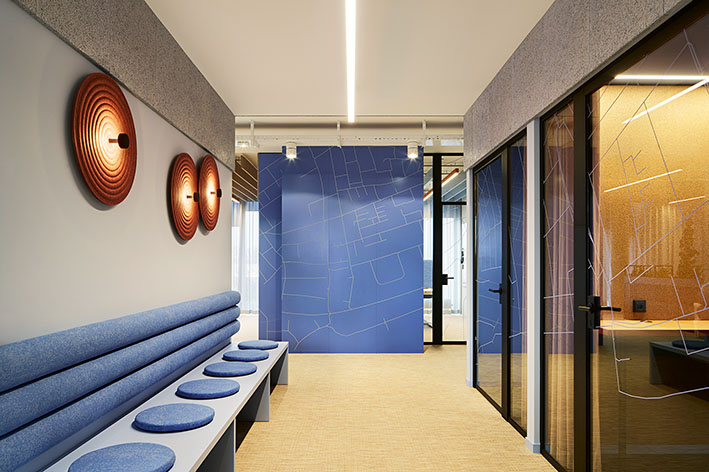
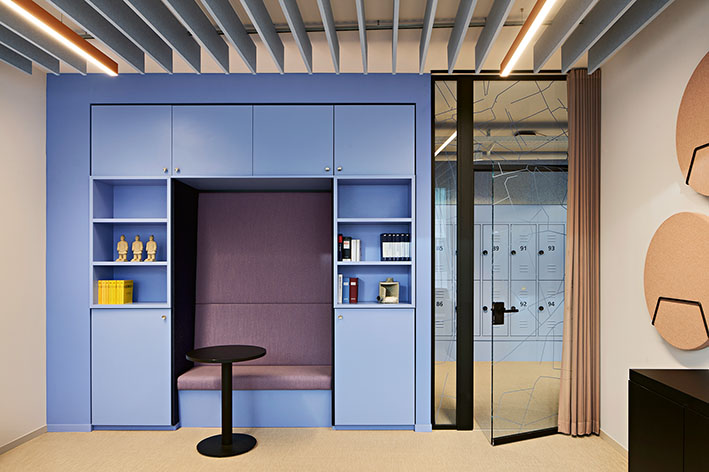
Lepel & Lepel developed a visual identity that draws inspiration from the field of work itself. Water, sewer networks, soil—abstracted into color fields, graphic markings,
and materials. Shades of blue and gray characterize the calm atmosphere at the workstations, while brick red adds accents in the communal areas. Circles, line grids, and hatching appear as recurring motifs—a deliberate reference to the technical infrastructure that otherwise remains hidden. The result is an office that is functionally
convincing while also offering depth of content. From the very beginning, the designers worked closely with the users. Workshops, interviews, and needs analyses were incorporated into the planning. The result was not a design imposed from the outside, but rather genuine improvements: ergonomically optimized workstations
and a well-thought-out circulation pattern that facilitates collaboration and minimizes friction. The choice of materials meets the requirements of a business-oriented environment: robust surfaces, clean lines, and clear-cut construction. Yet the interior remains inviting, friendly, and precisely designed— far removed from a sterile administrative setting, close to a workplace that radiates appreciation. The project exemplifies that interior design in the workplace is more than mere decoration. It translates corporate culture into space, makes complex concepts visible, and creates a place that provides orientation and strengthens a sense of belonging. Wirtschaftsbetriebe Duisburg demonstrates that a municipal administration can be more than just a workplace—namely, an organization that takes its mission seriously in terms of space and offers its employees an environment where the future takes shape.